




ICANN: The Jones Day Part of the Story
In early 1998, Jon Postel, a University of Southern California professor of computer science, sent emails to around a dozen large law firms asking if they would be willing to work with him on a project involving the Internet's address book, the Domain Name System (DNS). That email was forwarded to Joe Sims, the Jones Day partner then charged with technology issues at the Firm, and he found it interesting enough to set up a meeting, joined by his partners Jeff LeVee and Mike Weinberg, with Postel at his offices in Marina del Rey, California.
That meeting resulted in Jones Day agreeing to provide pro bono legal services to Dr. Postel as he, with the encouragement of the United States government, set out to create a permanent technical home for the Internet's addressing system. That representation has continued to this day, even as that permanent home, called the Internet Corporation for Assigned Names and Numbers (ICANN), has become an organization with an annual budget of almost $150 million and a staff of more than 450 people located in over 30 countries.
Jon Postel was one of the creators of what we now know as the Internet, an effort largely funded by government grants from the Defense Advanced Research Projects Agency and the National Science Foundation (NSF). One of his roles was to keep track of the individual numeric addresses for locations on the Internet, first in a notebook and later in a database. But as the Internet rapidly developed, following the invention of the TCP/IP communication protocols by Bob Kahn and Vint Cerf (who attended the same high school along with Dr. Postel and later became ICANN's chairman), it became obvious that a more permanent structure was required that could deal with input and support from what was becoming a wide range of Internet users. And thus the Postel email, asking for help in accomplishing this goal.
Jones Day was the only law firm to respond to the email.

What is ICANN?
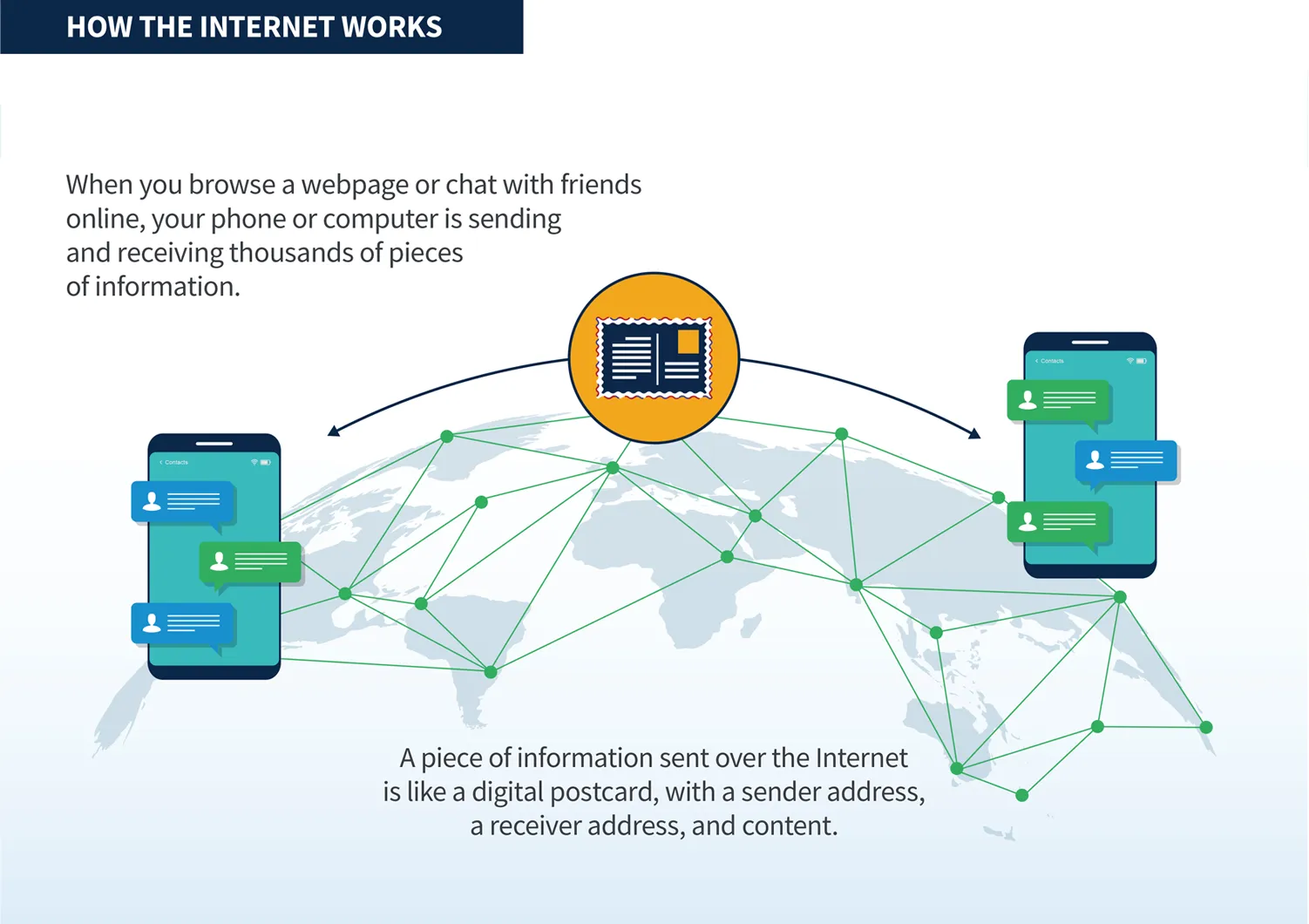
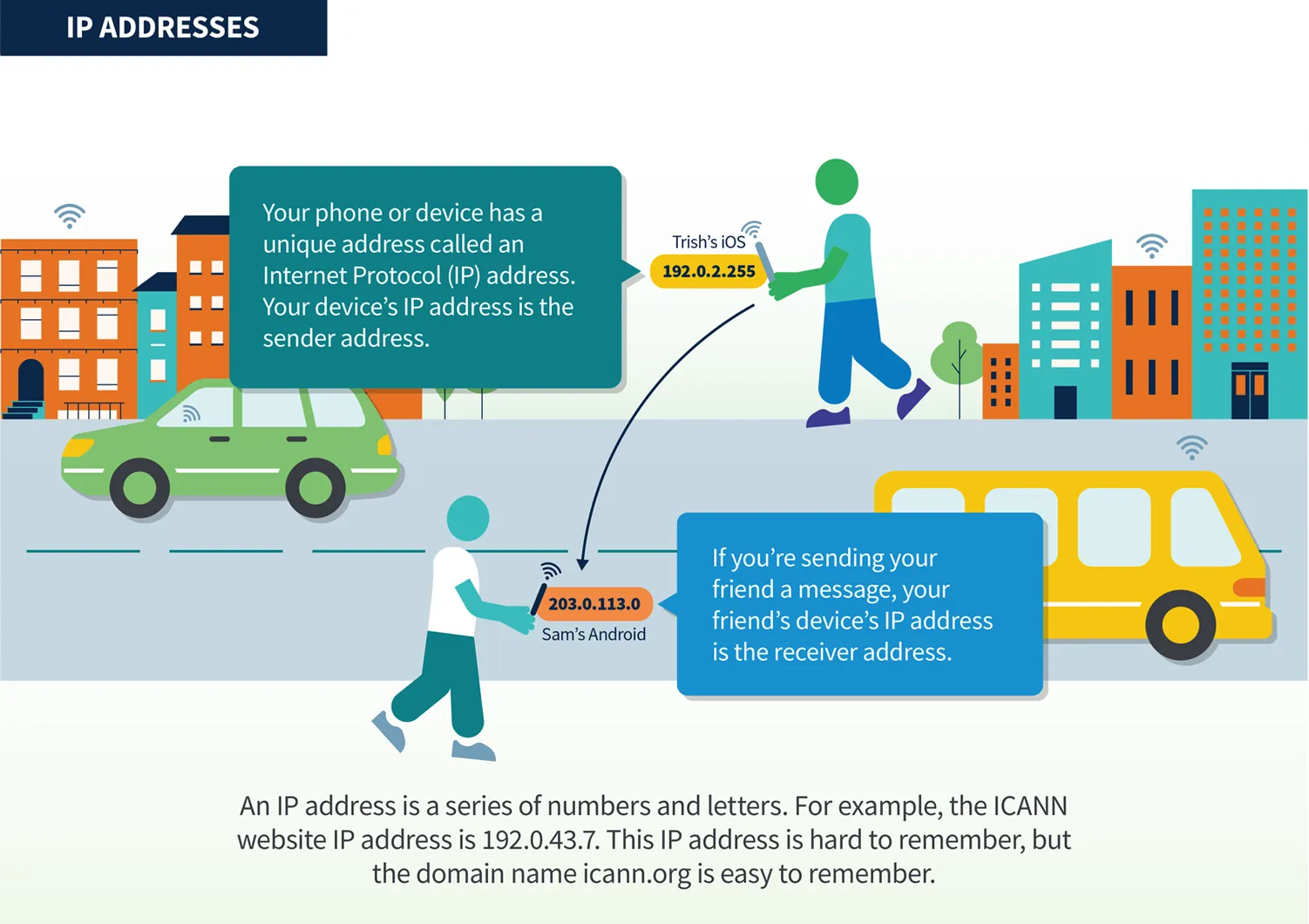
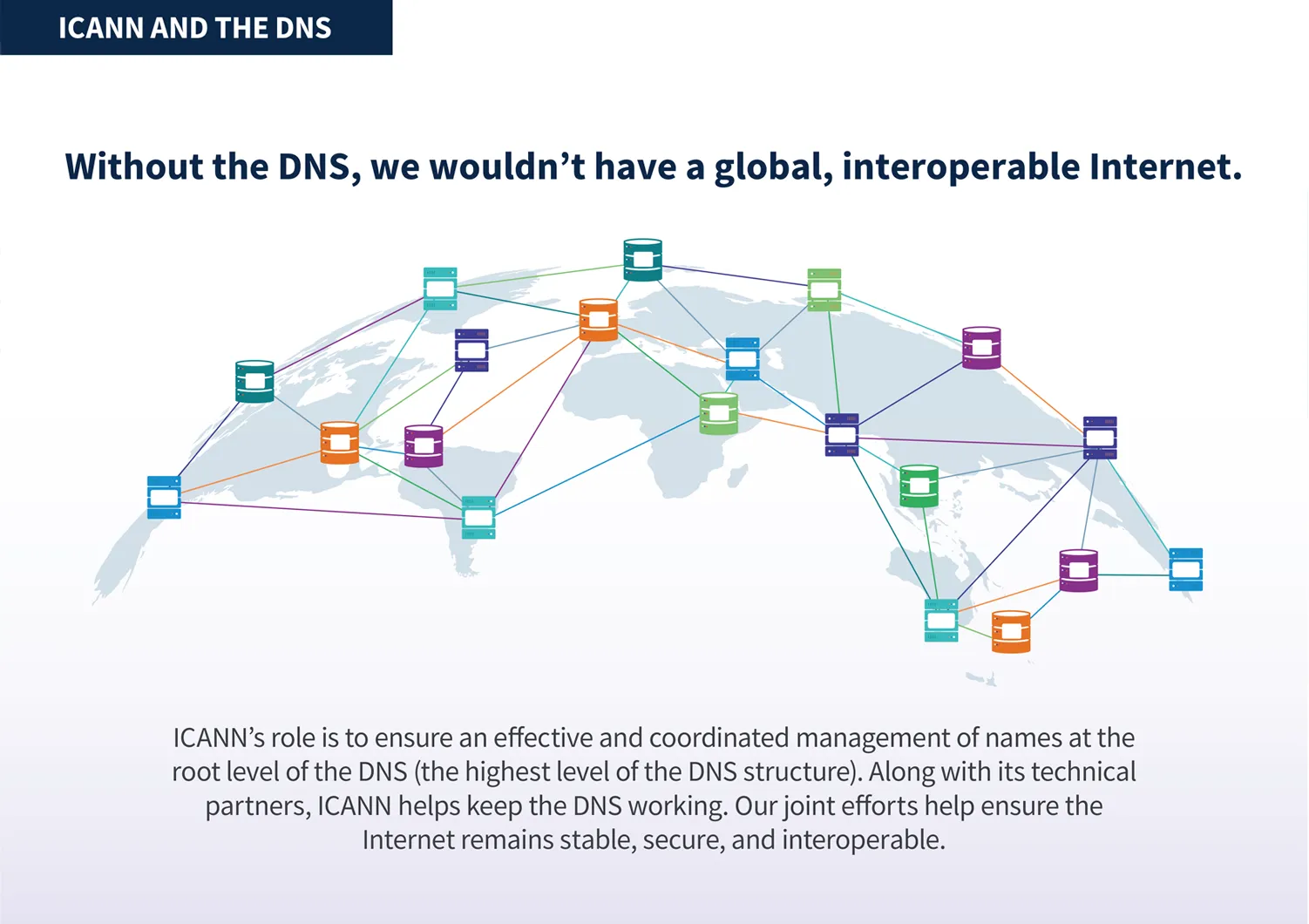
ICANN administers numerous aspects of the Internet's Domain Name System, all the while maintaining the security and stability of the Internet and creating competition in the domain system in order to stimulate innovation. To understand ICANN and what it does, one has to understand the DNS, created in the mid-1980s with the goal of assigning strings of letters (easier to remember) to the numeric addresses that were being used to identify specific locations on the Internet. This was done under a grant to Dr. Postel, and he created a database that he called the Internet Assigned Numbers Authority (IANA).
In the early days, this was manageable; there were only seven Top Level Domains (TLDs): ".com" (intended as the commercial TLD), ".org" (intended for nonprofits), ".net" (intended for network operators), ".mil" (military), ".edu" (education), ".int" (international organizations), and ".gov" (government). Until ICANN was created, ".com" was the only TLD for commercial organizations, and thus it became almost synonymous with the Internet, even though in reality it was just one of a growing number of TLDs.
Jon Postel was also the DNS evangelist, trying to find people in every country in the world to take on the responsibility of running what he called "country code" TLDs. These were TLDs intended to serve the people of a particular country—e.g., ".us" for the United States, ".fr" for France, and ".cn" for China. Today there are more than 316 country code TLDs, some very large and active. ICANN has also created "regional" TLDs, such as ".eu" for Europe and ".asia" for the Asian region.
There was one issue on which there seemed to be almost unanimity: the Internet should not be managed by any government, national or multinational. — JON POSTEL
.webp)
It became clear following the Netscape IPO in 1995, the first significant financial event tied to the Internet, that having a single person managing the entire Internet addressing system was not a long-term practical solution. Dr. Postel thus began to organize an effort to establish some form of permanent organization to take over this responsibility. He would have remained involved, thus lending his expertise and credibility to the new venture, but this would be an entity that would survive him and become a permanent part of the Internet infrastructure.
Unfortunately, Jon underestimated the various tsunamis that would be precipitated by this effort. Governments were just starting to wake up to the notion that the Internet would have enormous consequences for society, and some of these governments raised questions about whether this important technology should be under private control as opposed to governmental control. Large businesses, especially in the United States, were not happy to see this important technology potentially headed for governmental control; they rallied to U.S. political opposition by claiming that Dr. Postel was trying to "steal" the Internet. Various other groups, claiming (as always) to represent the common man, also objected that they had no say in all this.
The agency within the U.S. government that had the lead on this was the National Telecommunications and Information Administration of the Department of Commerce, but the NSF, the Pentagon, the State Department, and the U.S. national security apparatus all remained interested in how this turned out. President Clinton designated White House staffer Ira Magaziner to manage the U.S. involvement, and Magaziner suggested Jon get some legal help, which led to the Jones Day relationship outlined at the beginning of this article.
Sims, LeVee, and Weinberg spent several months in 1998 working with Dr. Postel to create an entity, with a corporate structure and bylaws, and publishing various drafts for the world to comment on—mostly critically. They went to innumerable meetings all around the world (including Geneva, Berlin, and Singapore), and they met with a number of governments. There were groups that were formed for the purpose of creating proposals that competed against Dr. Postel's proposal, but Dr. Postel's proposal always was viewed as most likely to succeed. Finally, in October 1998, the U.S. government recognized ICANN as the provisional body to work with it to try to privatize the management of the DNS.
ICANN's long-term survival was not really predictable until one final test. In 2000, VeriSign acquired NSI in a transaction valued at more than $20 billion. Following that, VeriSign operated .com, .net, and .org, the three most prominent TLDs. Having made such a significant investment, VeriSign sought over the next few years to maximize the value of those domains; that produced a variety of disagreements with ICANN and, eventually, an antitrust suit filed against ICANN. Jones Day lawyers (led by Jeff LeVee) consistently defeated these attacks, getting the antitrust suit dismissed not once but twice. While the last dismissal was on appeal in 2005, the parties entered into a comprehensive agreement ending the final serious battle of a seven-year struggle by ICANN for its long-term survival.

Since then, ICANN has dramatically increased both its funding and the professionalism of its operations. ICANN's CEOs have reflected this evolution. The current CEO is the former CEO of the London Internet Exchange, while the previous CEO had served as director-general of the Swedish Post and Telecom Authority. Other CEOs have included a former Australian government official and a former director of the U.S. National Cybersecurity Center.
Remarkably, ICANN has now established more than 1,200 new TLDs. In addition, ICANN has accredited more than 2,000 Internet registrars (organizations like GoDaddy that sell domain names to businesses and individuals). ICANN has also completed the transition from what was called Internet Protocol Version 4 (IPv4) to IPv6. Transitioning to IPv6 permits the addition of 340 trillion new Internet addresses.
ICANN also has completed the process of introducing so-called Internationalized Domain Names into the DNS. These names allow people to create and find websites using character sets other than the ASCII (English) set that had been the basis of the DNS. This is complicated because many non-ASCII characters can have multiple meanings, and the one thing that is critical for an Internet address is that it be unique. Over the last several years, ICANN has approved domain names in numerous languages, including Arabic, Persian, and Chinese.
In 2016, after considerable engagement with a broad set of public and private actors and with continuing Jones Day advice, ICANN signed a landmark document with the U.S. government known as the Affirmation of Commitments. This document, the seventh amendment to the original document by which the U.S. government identified ICANN as the entity that would privatize the DNS, committed ICANN to remain a not-for-profit organization, and declared ICANN to be independent and not controlled by the U.S. government or any other entity. In turn, ICANN committed to continuously evaluate its performance via community-based evaluations. This was the final step to the end of direct government oversight of what has now become a unique public–private institution.

Jon Postel would have been very proud of what has been done, but he unfortunately passed away literally days before the U.S. government recognized his creation of ICANN in 1998. This was about as bad timing as you can imagine because it robbed ICANN of the single person to whom it owed most of its credibility and created a rather ambiguous client situation for Jones Day. Fortunately, the Firm was able to quickly incorporate ICANN in California, with the Articles of Incorporation signed by Jeff LeVee. Shortly thereafter, the incorporators elected the persons who had been selected to sit on the first board of directors of ICANN, and that board held its first meeting in the Holiday Inn JF, electing its first chairman and its first president and CEO.
Since these rather chaotic early days, Jones Day has served as ICANN's primary outside counsel, dealing with the many legal challenges that it has faced, including antitrust, contract, employment, intellectual property, labor, and many others, most without any legal precedent to rely on because ICANN is truly a unique legal entity.
It is not an exaggeration to say that Jones Day has been with ICANN since even before the beginning. The Firm can rightly take pride in its contribution to the stability and security of the Internet, the most powerful force for communications and commerce the world has ever known.